Exploring The Emotional Side Of Random Rewards
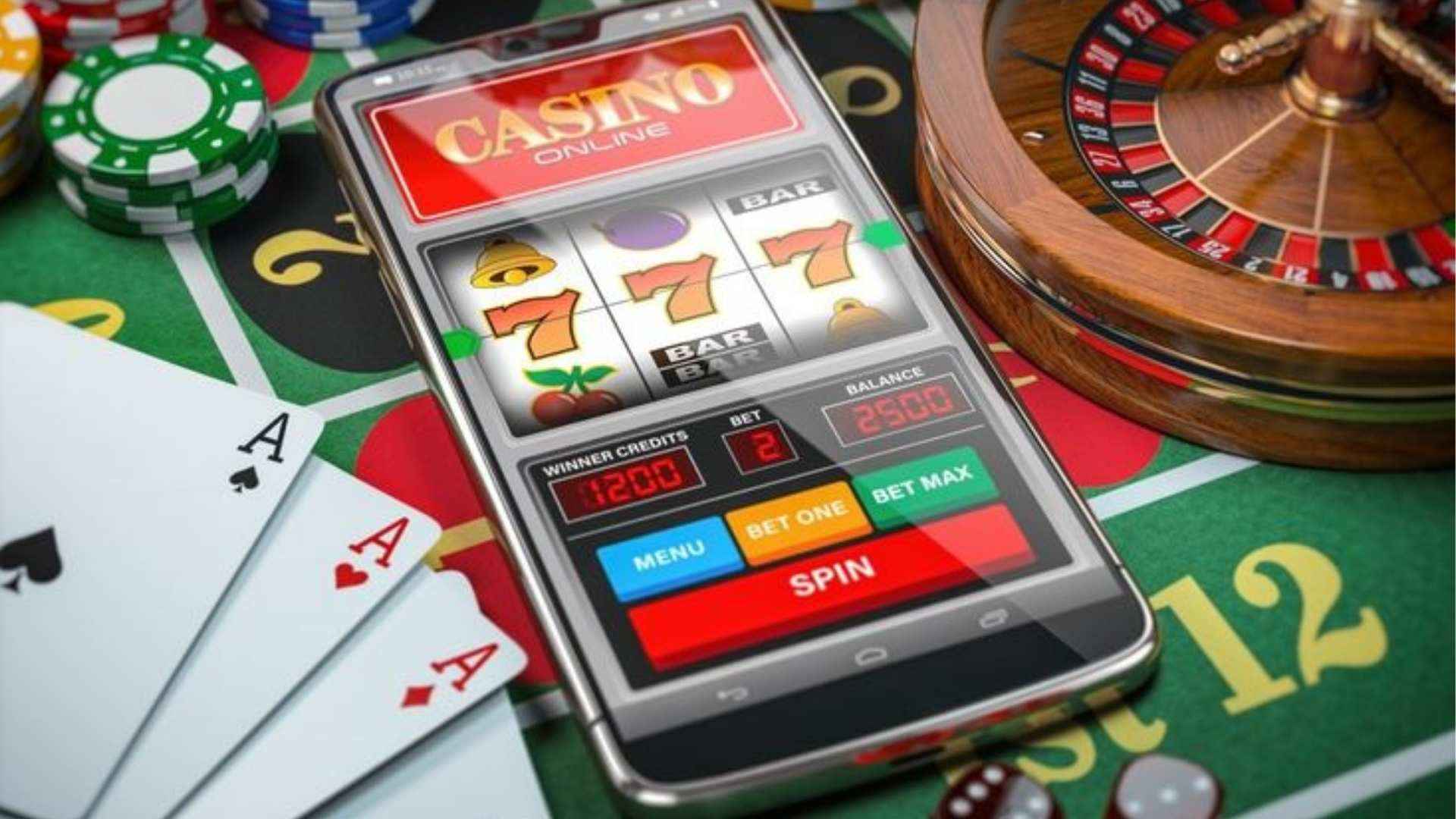
The human brain reacts with remarkable intensity to things it cannot fully predict, turning unexpected discoveries into deeply resonant emotional highlights. While fixed achievements provide steady satisfaction, the sudden arrival of a random prize stirs a completely different set of feelings. This profound psychological shift explains why variable reward systems remain highly effective across modern digital environments, creative marketing campaigns, and everyday lifestyle designs.
The Neurobiology of the Unexpected
Our internal chemistry is naturally wired to seek out patterns, but it experiences a massive surge of excitement when those predictions fail in a positive way. When a reward is guaranteed, the mind treats the event as a routine task rather than an exciting milestone. A surprise outcome triggers a rapid release of dopamine, a neurotransmitter heavily linked to motivation, focus, and emotional memory creation.
This distinct biological reaction turns a standard interaction into a vivid micro-experience that lingers long after the moment passes. Because the brain cannot schedule these emotional spikes, it remains highly alert and deeply focused on the journey itself. As a result, individuals often find the sheer suspense of a pending reveal far more memorable than the value of the actual object received.
How Variable Design Enhances Engagement
Modern developers and system architects masterfully tap into this biological loop to build long-term user interest. By incorporating controlled levels of randomness into loyalty programs or casual software configurations, they successfully prevent the user journey from becoming repetitive or stale. This dynamic approach ensures that every single interaction carries a subtle undercurrent of possibility.
Many leading mobile entertainment platforms apply these exact structural frameworks to keep their communities highly connected and thoroughly entertained. For example, users engaging via m88.com mobile frequently encounter interactive surprise features that make standard sessions feel distinctly fresh and rewarding. This thoughtful implementation of modern design principles turns a routine daily check-in into an immersive narrative filled with personal discovery.
The Emotional Spectrum of Suspense
The true magic of a randomized system resides in the delicate timeline leading directly up to the final reveal. During this fleeting window of time, a participant transitions away from active decision-making into a state of pure emotional anticipation. This shift heightens sensory awareness, making the clicking of a wheel or the opening of a box feel incredibly significant.
Even when a random selection results in a minor consolation prize, the psychological journey provides genuine entertainment value. The mind naturally processes the close call as an exciting near-win rather than an outright disappointment. This unique cognitive framing fuels ongoing curiosity, prompting individuals to remain enthusiastically invested in subsequent rounds.
Cultivating Healthy Interaction Loops
As random mechanics grow more prominent across various industries, creating a transparent and balanced distribution system becomes essential. Ethical design practices ensure that surprise elements serve to delight the audience rather than create overwhelming cognitive fatigue. When platforms maintain absolute clarity regarding structural probabilities, they foster a deeper level of consumer trust.
Ultimately, the timeless charm of the unknown continues to shape how we connect with digital layouts and promotional events. By balancing structured milestones with occasional bursts of unpredictable joy, creators ensure that the overall journey remains healthy, vibrant, and fun. Embracing this emotional duality allows modern systems to deliver meaningful gratification that resonates on a truly human level.